Visit

69 Capel Street, West Melbourne VIC 3003

Open Thursday, Friday (12–5pm), Saturday, Sunday (12–4pm). Check our Instagram stories for any last-minute disruptions.

Access

KINGS Artist-Run is a wheelchair accessible venue. Unfortunately, there is no wheelchair accessible toilet. Please contact the gallery with any access requirements and we will endeavour to support your visit.
KINGS Artist-Run Social Story

Email ›
Facebook ›
Twitter ›
Instagram ›

Subscribe To Our Newsletter


About

Kings Artist-Run provides a location for contemporary art practice, supporting distinctive experimental projects by artists at all stages of their careers.
More information ›

KINGS Artist-Run acknowledges the Wurundjeri and Boonwurrung people of the Kulin Nation as the Traditional Custodians of the land on which we operate.

We offer our respect to Elders both past and present and extend this offer to all Australian First Nations people.

Fresh Blood Washings

Elijah Cristiano


15 October 2026–08 November 2026

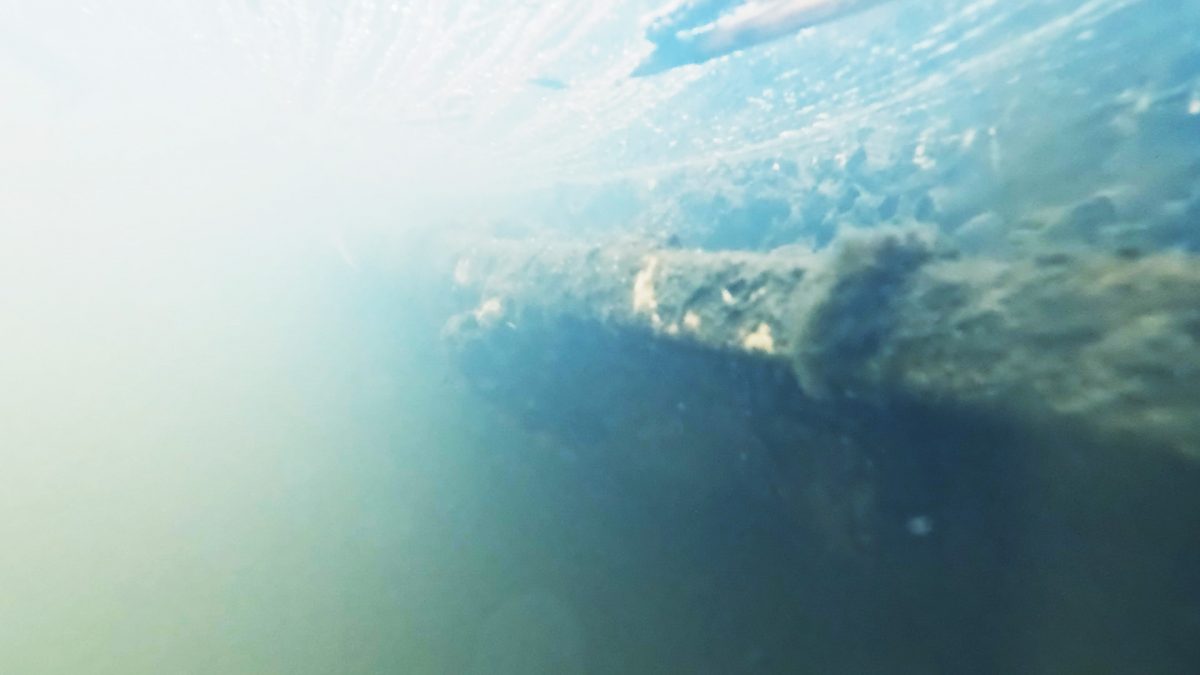
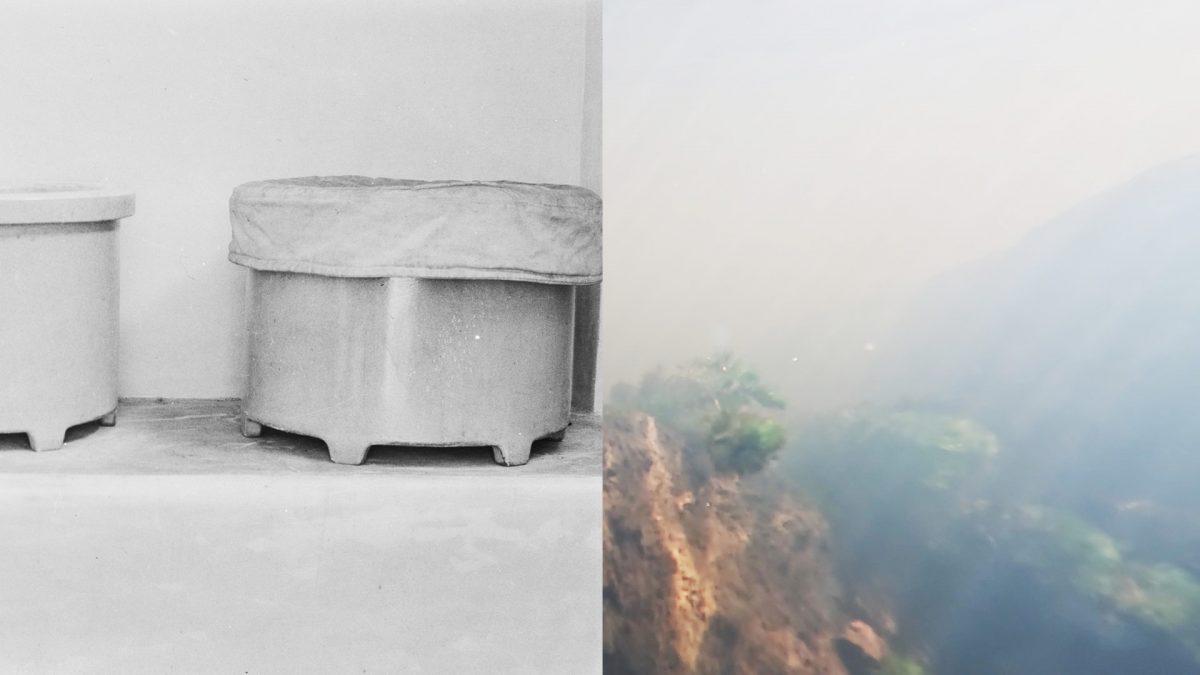
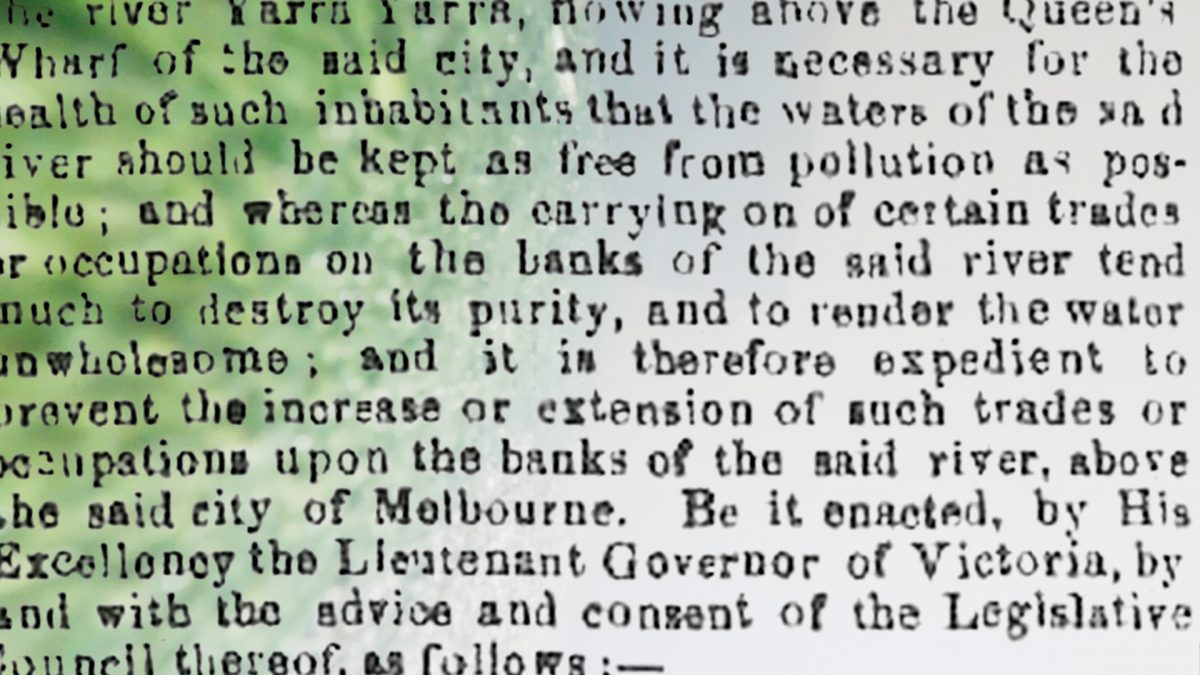
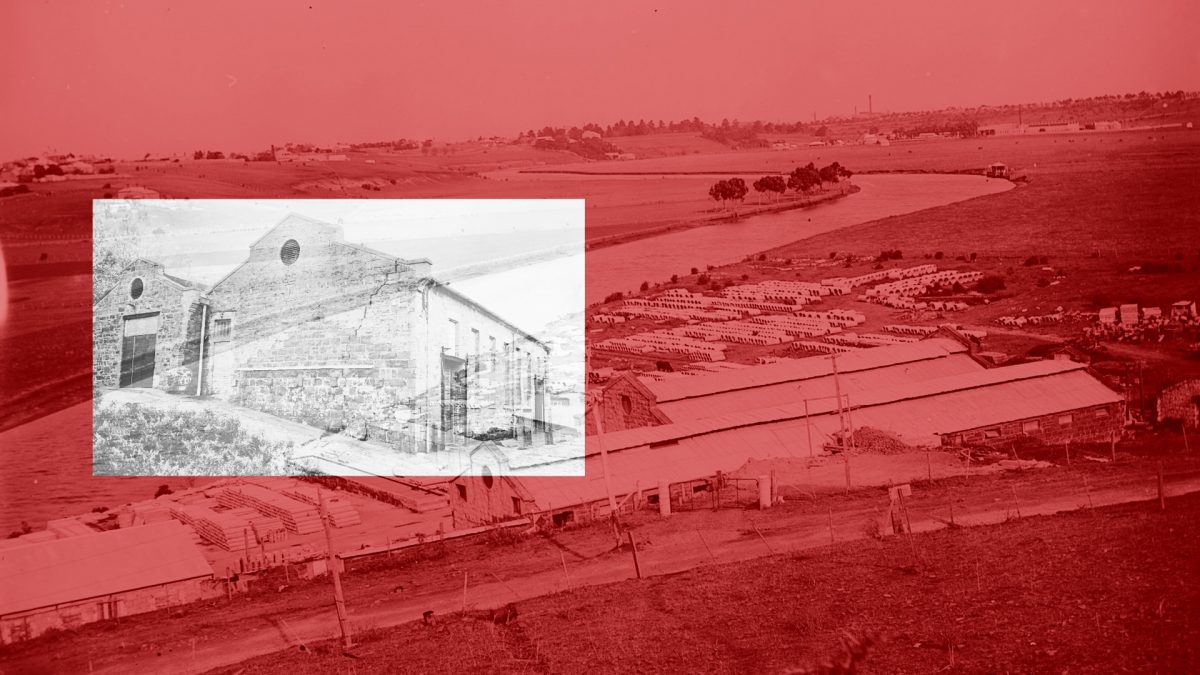
Fresh Blood Washings uses moving image, photography, field recording and the practice of writing to reveal the violence inflicted upon the Maribyrnong River by settler-colonial expansion and industrialisation. After the Yarra River Pollution Act was passed in 1855 to clean up Melbourne’s inner eastern waterways, tanneries, abattoirs, and other noxious trades were relocated to the banks of the Maribyrnong River. The river was then used as both a route for transportation and a drain for industrial waste discarded from abattoirs and factories. Employing a methodology of ‘making with’ rather than ‘making of’ the river using methods such as underwater videography and embodied field recording, the work aims to subvert colonial understandings of land and waterways as resources for economic advancement by reframing the Maribyrnong River as a living body with agency, language and voice.

See all projects by:


  • Fresh Blood Washings uses moving image, photography, field recording and the practice of writing to reveal the violence inflicted upon the Maribyrnong River by settler-colonial expansion and industrialisation. After the Yarra River Pollution Act was passed in 1855 to clean up Melbourne's inner eastern waterways, tanneries, abattoirs, and other noxious trades were relocated to the banks of the Maribyrnong River. The river was then used as both a route for transportation and a drain for industrial waste discarded from abattoirs and factories. Employing a methodology of ‘making with’ rather than ‘making of’ the river using methods such as underwater videography and embodied field recording, the work aims to subvert colonial understandings of land and waterways as resources for economic advancement by reframing the Maribyrnong River as a living body with agency, language and voice.