


Alphabets are usually invented by graphic designers or typographers. Why would an artist want to create their own alphabet? Perhaps to write something that can only be written in this alphabet. Perhaps to give voice to something that wants to be written or said in its own script. Or perhaps to explore the materiality of writing itself.
In this exhibition, each artist has created their own alphabet and either used it to produce a singular act of writing or to present the alphabet itself as a work of art. The show suggests that new alphabets mean new ways of writing. Alphabets are reimagined as sites of invention, disruption, and possibility. Each artist asks: what does it mean to make a new alphabet, and what kinds of communication become possible through it?
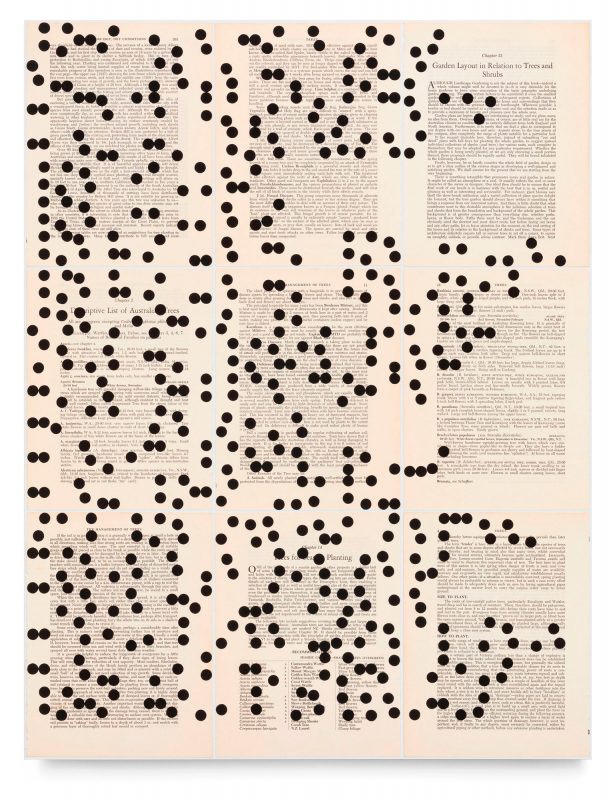
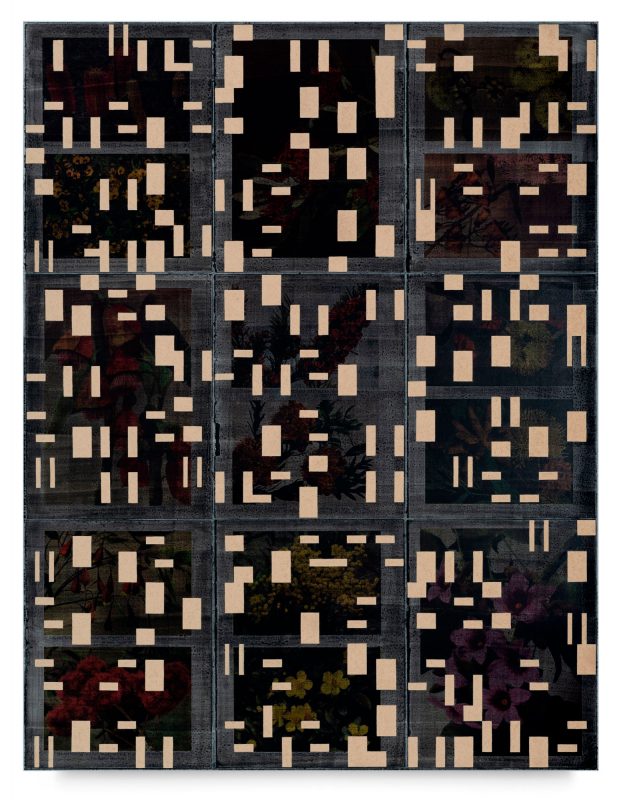
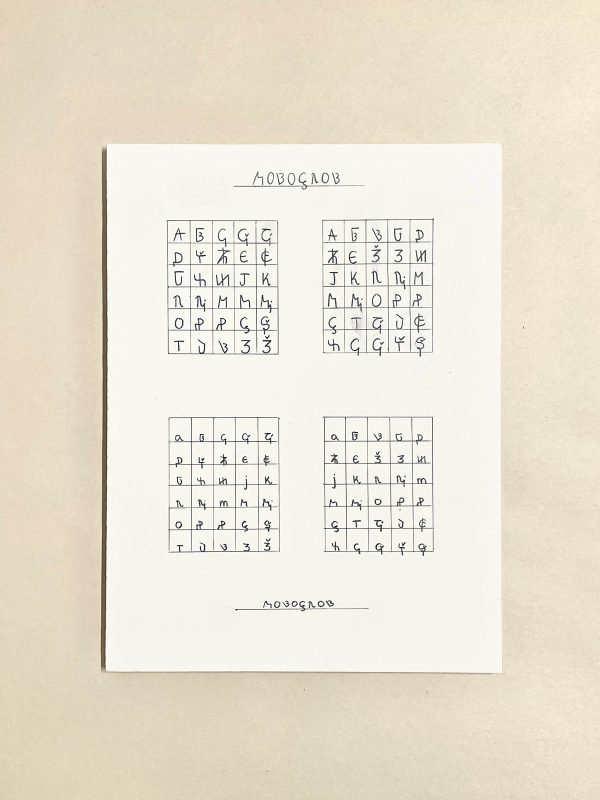
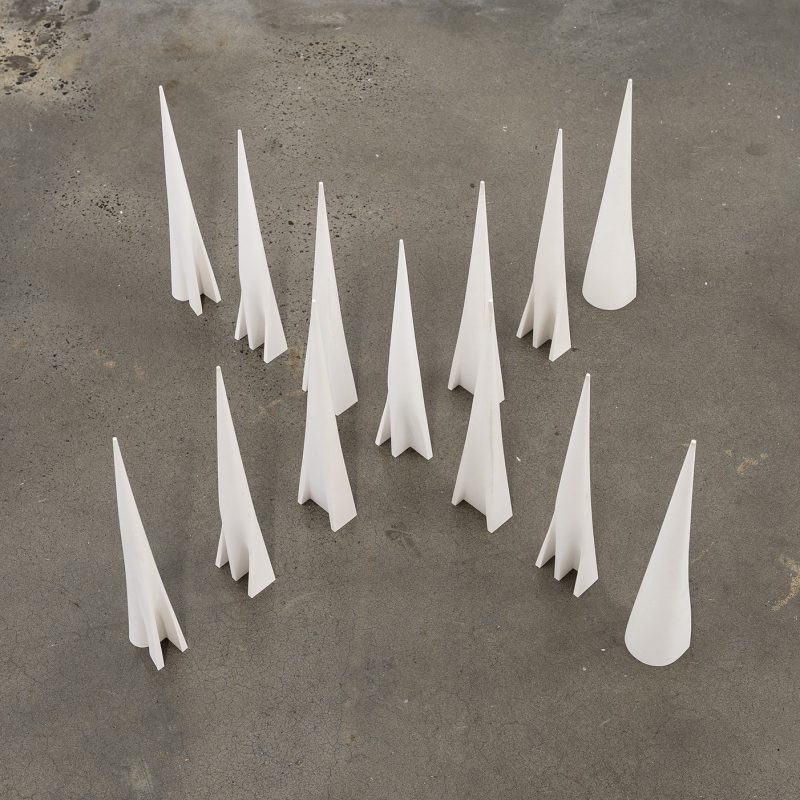
Mark Gowing, founder and director of The Letters, a type company that develops expressive fonts, creates work that explores language as rhythm and frequency, plotting written phrases into abstract geometries that resist conscious composition. Aaron Perkins presents a deviant alphabet constructed from the letterforms of the standard 26-letter alphabet to explore the unwritten meanings that shadow, corrupt and colour every use of language. Lani Knezevic has created a hybrid alphabet that combines Latin and Cyrillic scripts, overlaying forms held in common and adjusting the differences. This project speaks to her cultural heritage and intention to reimagine letter design across writing systems. Daniel John Pilkington has developed an original three-dimensional alphabet in which each letter of the Latin script is transformed into a spear-like form. This alphabet is used to construct a series of sculpture-poems that explore language as an event, drawing on concrete poetry, apotropaic magic, self-reflexive palindromes, and the tension between readability and secrecy.
Together these works propose that alphabets can be thought of as an artistic medium in their own right. By reinventing the alphabet, the artists reinvent writing itself.
Click HERE to view the exhibition roomsheet.